

NGC 2185
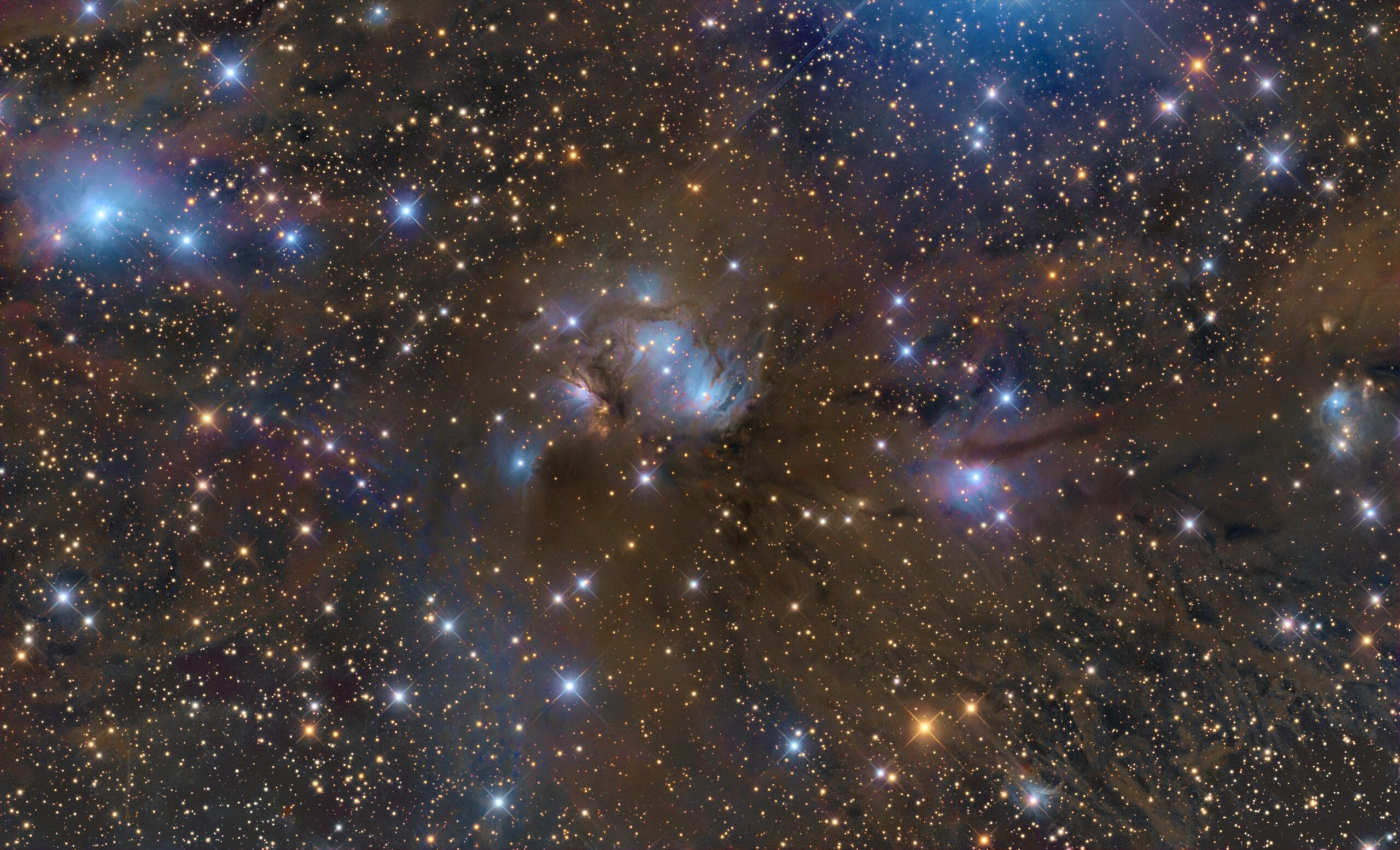
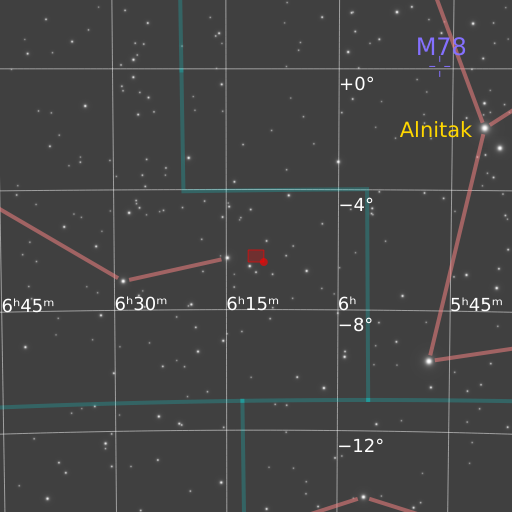
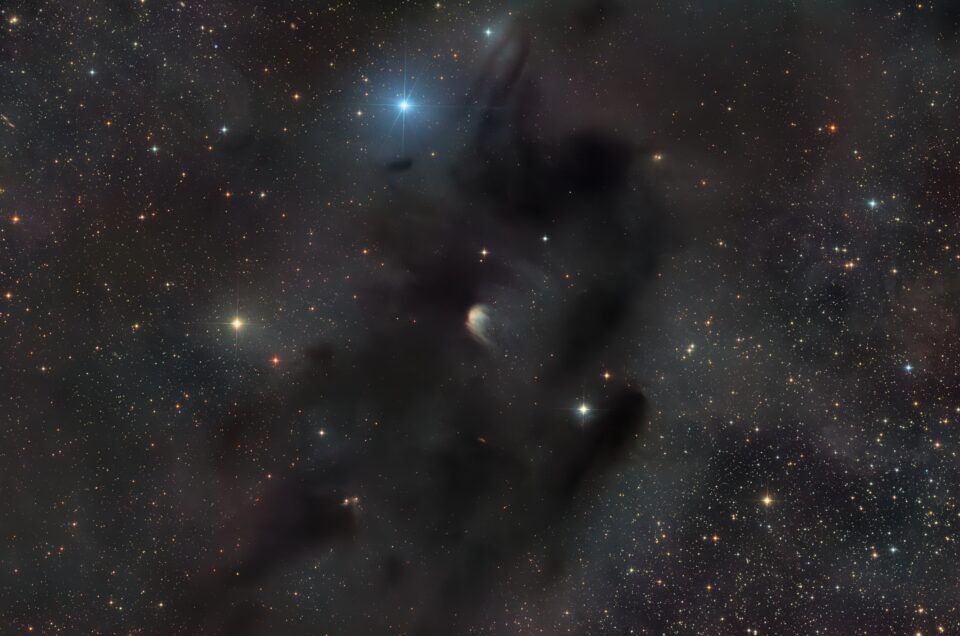
From time to time, I obtain data sets from remote observatories around the world. One of my favorite providers is the Insight Observatory, which operates telescopes in locations such as Chile, Namibia, and New Mexico. One of the datasets I received features the delicate reflection nebula NGC 2185, located in the constellation Monoceros.
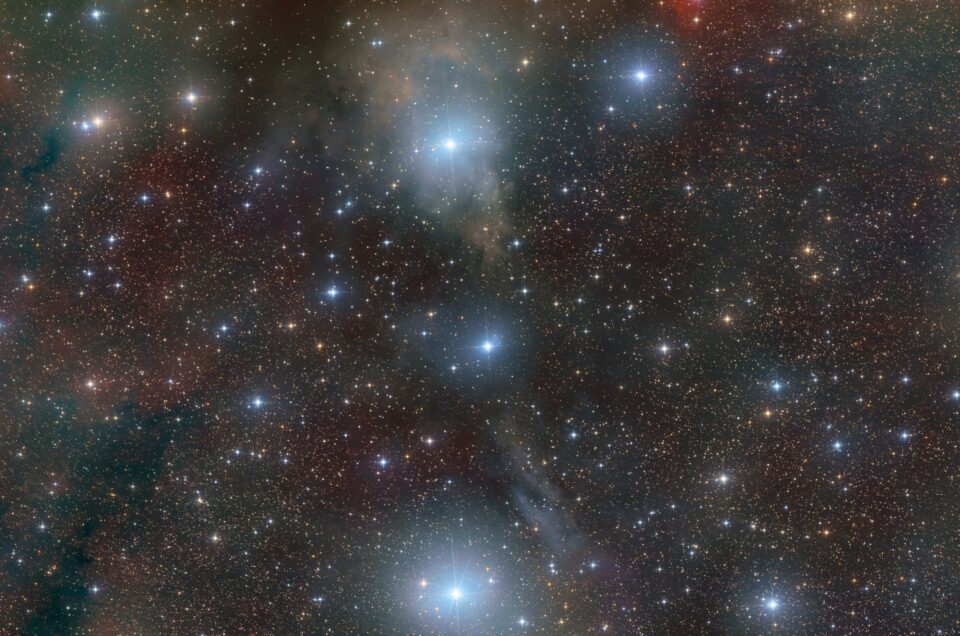
NGC 2185 lies within the rich and complex Monoceros R2 molecular cloud complex, a nearby region of ongoing star formation situated roughly 2,000–3,000 light-years away. Unlike emission nebulae, which glow due to ionized gas, NGC 2185 is a reflection nebula, meaning it shines by scattering the light of nearby stars. This process gives it a soft, bluish appearance, as shorter wavelengths are more efficiently scattered by interstellar dust grains.
What makes this region particularly interesting is its combination of bright reflection patches, dark nebulae, and embedded young stars. The surrounding field contains numerous faint dust structures and subtle gradients, tracing the distribution of cold molecular material within the cloud. In deep images, these features appear as wispy filaments and shadowed regions that contrast beautifully with the illuminated portions of the nebula.
NGC 2185 is also associated with a small group of young stars that are still interacting with their birth environment. Stellar winds and radiation from these stars help shape the surrounding dust, creating cavities and variations in brightness. The region is part of a larger network of reflection nebulae in Monoceros, making it an excellent target for wide-field imaging.
The high-quality dataset from Insight Observatory allowed for careful processing of both the faint reflection nebulosity and the intricate dust structures. The result highlights the delicate interplay between light and matter in this nearby stellar nursery, revealing a subtle and often overlooked region of the Milky Way.
Data calibration and registration and the final processing was done with PixInsight. The result was as follows:
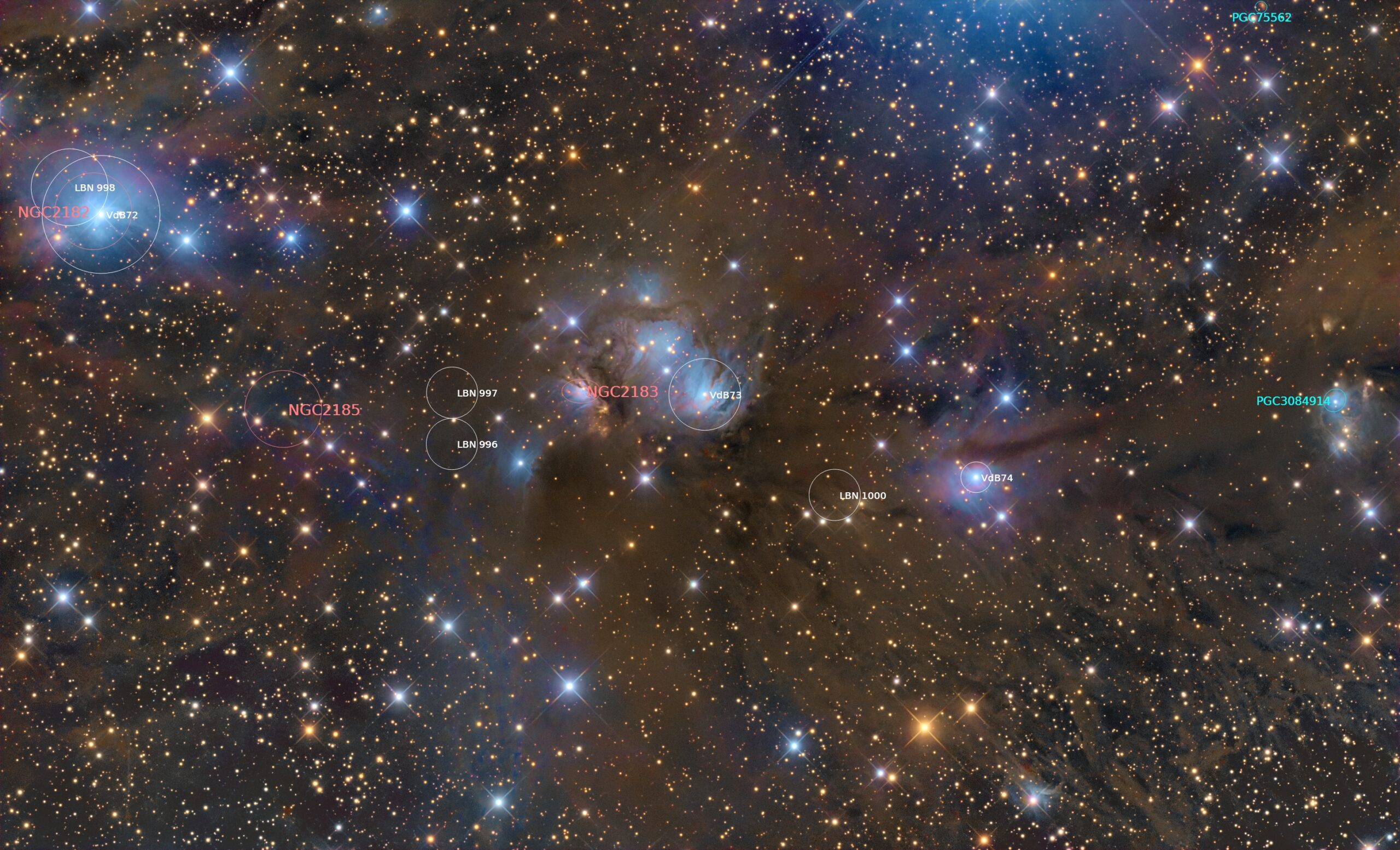
The images were taken with the following equipment (AFIL-1, Insight Observatory):
- Date: 10/23/2021 to 11/02/2021
- Location: Lijiang, China
- Telescope/Lens: AG10 CDK
- Focal length [mm]: 1665
- Focal ratio: 6.7
- Mount: SkyWatcher EQ8RH
- Camera: FLI Proline 6303
- Filter: L:R:G:B
- Exposure time [min]: 780:230:220:240
- Resolution. 1.11″/px

Leave a reply