

NGC 1579 (Sh2-222) from remote
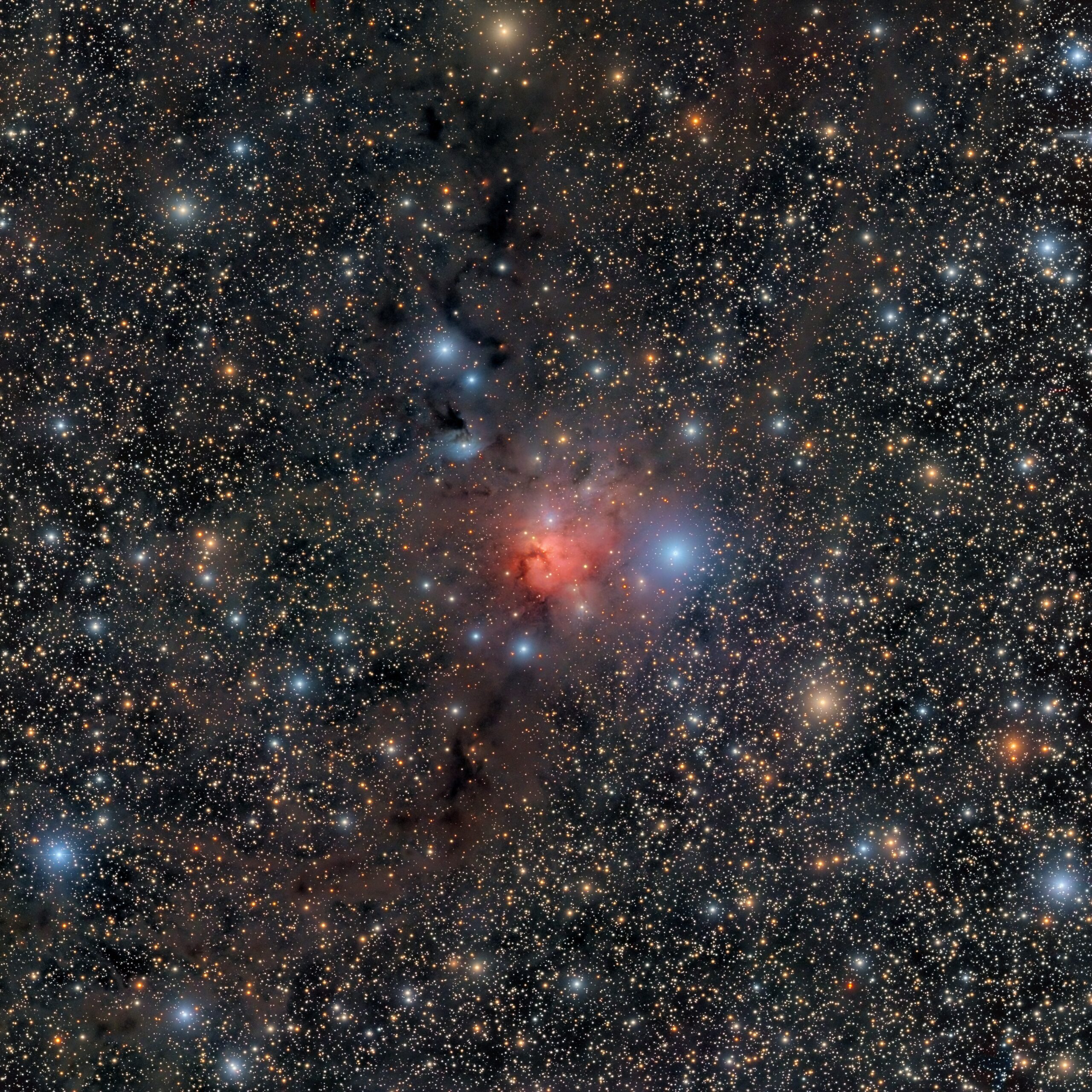
In 2018, I received a high-quality HLRGB dataset of the emission nebula NGC 1579 from Deep Sky West Observatory, located in New Mexico. The excellent sky conditions and high-end equipment provided data with remarkable depth and resolution, ideal for bringing out the subtle structures of this complex object.
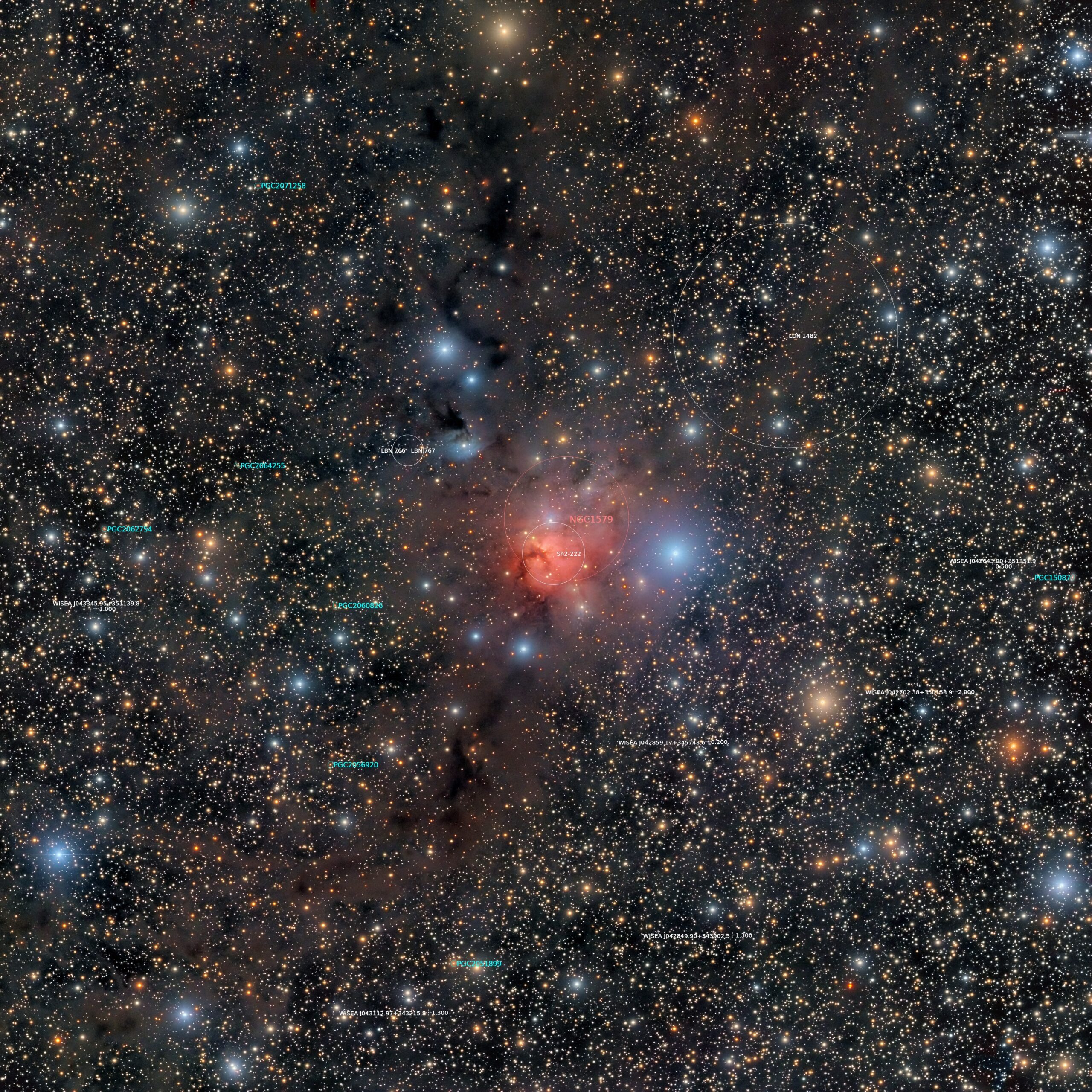
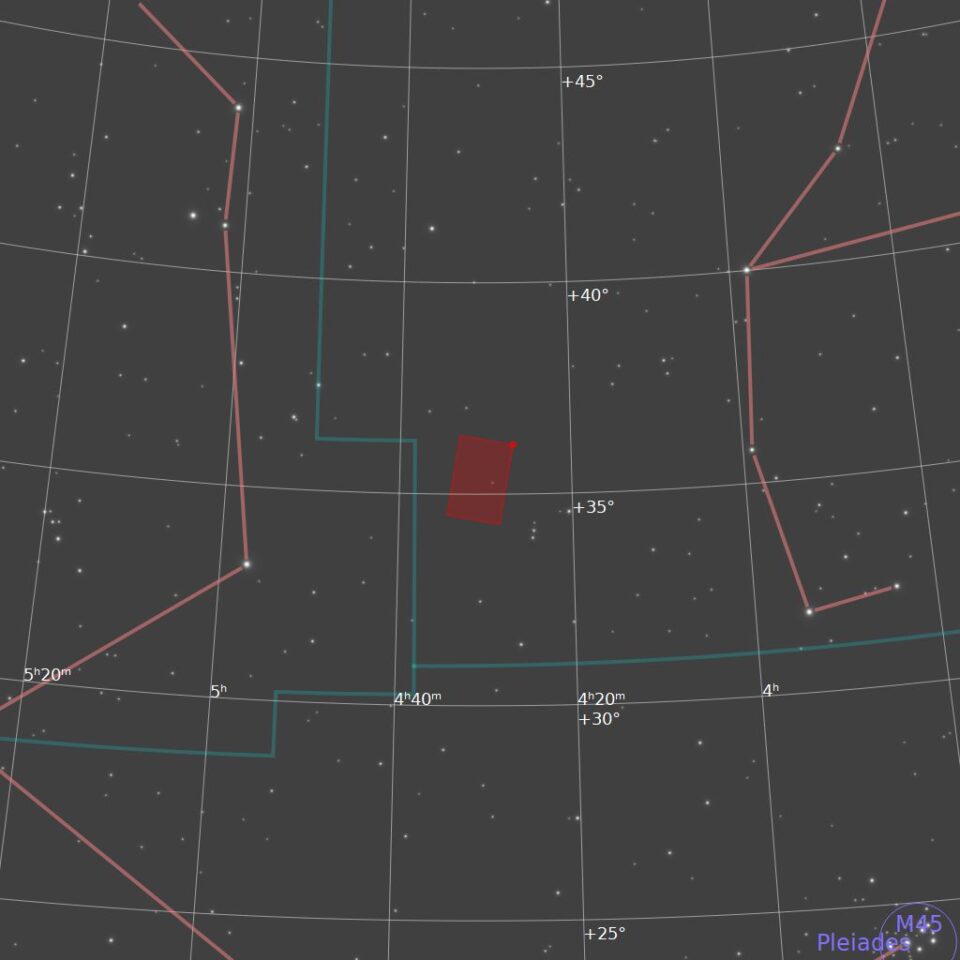
NGC 1579 lies in the constellation Perseus and is a fascinating combination of emission and reflection nebula. Often referred to as the “Northern Trifid”, it shows a similar visual appearance to the famous Messier 20, with dark dust lanes dividing the nebula into multiple regions. These structures are shaped by dense clouds of interstellar dust that obscure and scatter the light from nearby stars.
The nebula is associated with ongoing star formation, where young, massive stars illuminate the surrounding gas. The reddish regions are caused by ionized hydrogen (Hα emission), while the bluish areas result from starlight reflected by interstellar dust. This combination of emission and reflection components makes this nebula a particularly rich and photogenic target, with intricate contrasts between glowing gas and dark, absorbing dust lanes.
The HLRGB dataset allowed for a detailed rendering of both the fine dust structures and the subtle color variations within the nebula, highlighting its complex morphology and making it a rewarding object for deep-sky imaging.
Data calibration and registration and the final processing was done with PixInsight. The result was as follows:
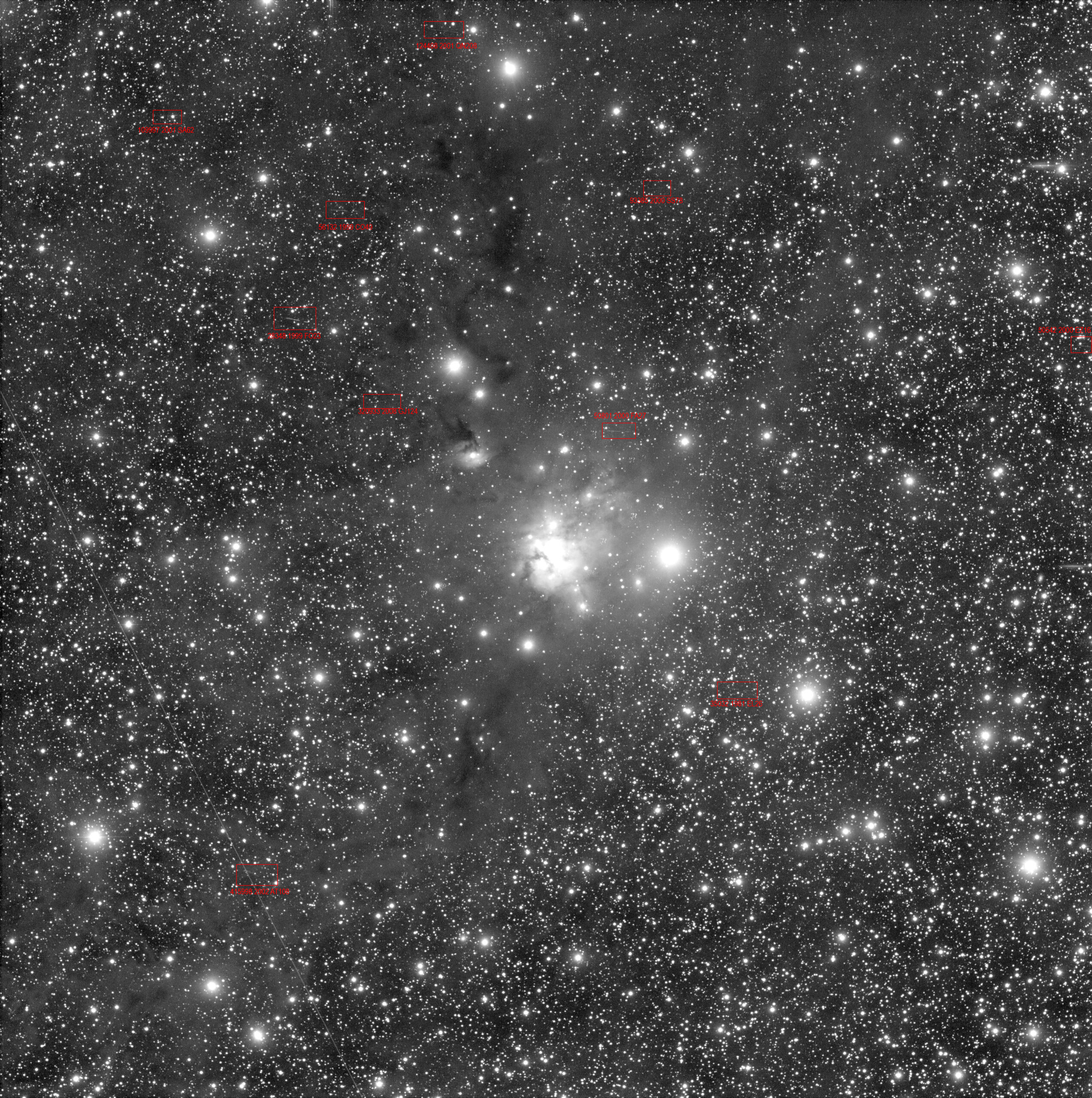
There were also some asteroids in this field:
The images were taken with the following equipment (DSW):
- Date: 2018
- Location: Rowe, New Mexico
- Telescope/Lens: Astro Physics RH305
- Focal length [mm]: 1159
- Focal ratio: 3.8
- Mount: Paramount ME
- Camera: SBIG STX 16803
- Filter: L:R:G:B
- Exposure time [min]: 300:240:220:180
- Resolution: 1.66″/px

Leave a reply