

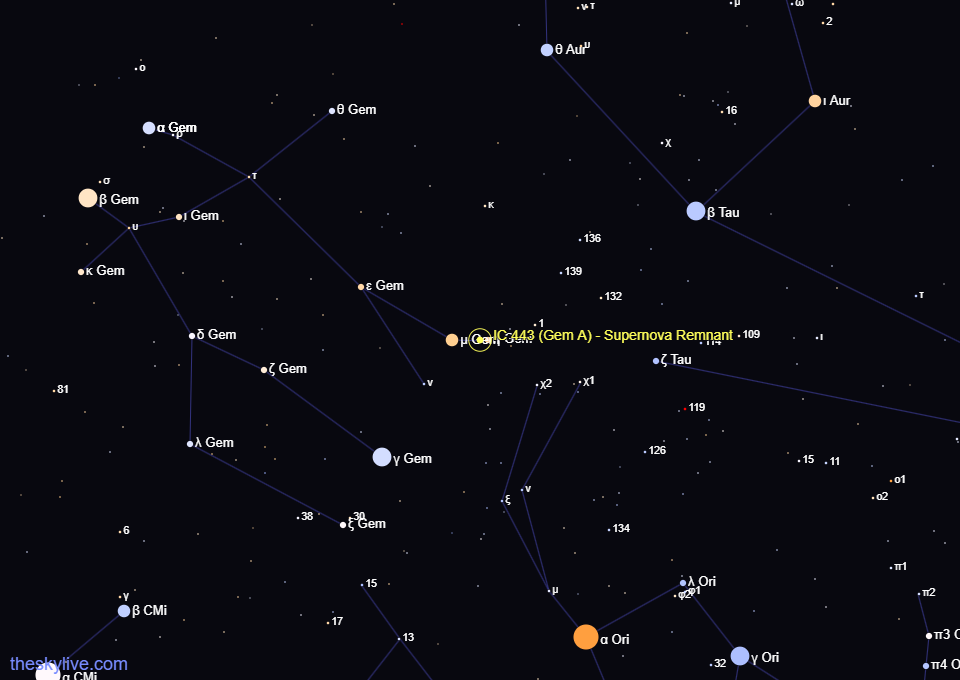
IC 443 (Jellyfish Nebula) from my own backyard
I imaged IC 443—better known as the Jellyfish Nebula—on three occasions over the years. My first attempt was in 2011, using my DSLR equipment from my backyard in Krefeld. Despite the light-polluted sky, the characteristic curved shock front of this supernova remnant was already faintly visible. A second attempt followed in 2016, this time with a CCD camera, which significantly improved the signal-to-noise ratio and revealed more of the intricate filamentary structure.
Most recently, in autumn 2025, I captured a much wider field using a modern CMOS camera. This new dataset not only shows IC 443 in greater detail but also includes the neighboring emission nebula Sh2-249, offering a richer view of the complex environment in this region of Gemini.
Scientifically, IC 443 is one of the best-studied supernova remnants in our Galaxy. Located about 5,000 light-years away, it is the expanding debris of a massive star that exploded between 3,000 and 30,000 years ago. The nebula interacts with dense molecular clouds, creating the bright, curved shock structures that give it its distinctive “jellyfish” appearance.
IC 443 is also associated with a Pulsar Wind Nebula (PWN), powered by the compact remnant CXOU J061705.3+222127, further confirming its supernova origin. The surrounding region, including Sh2-249, is rich in ionized hydrogen and traces ongoing star formation triggered by shock-wave compression. Capturing IC 443 over multiple epochs and with evolving equipment provides a fascinating look at how technological improvements reveal progressively more of the nebula’s fine structure and astrophysical complexity.
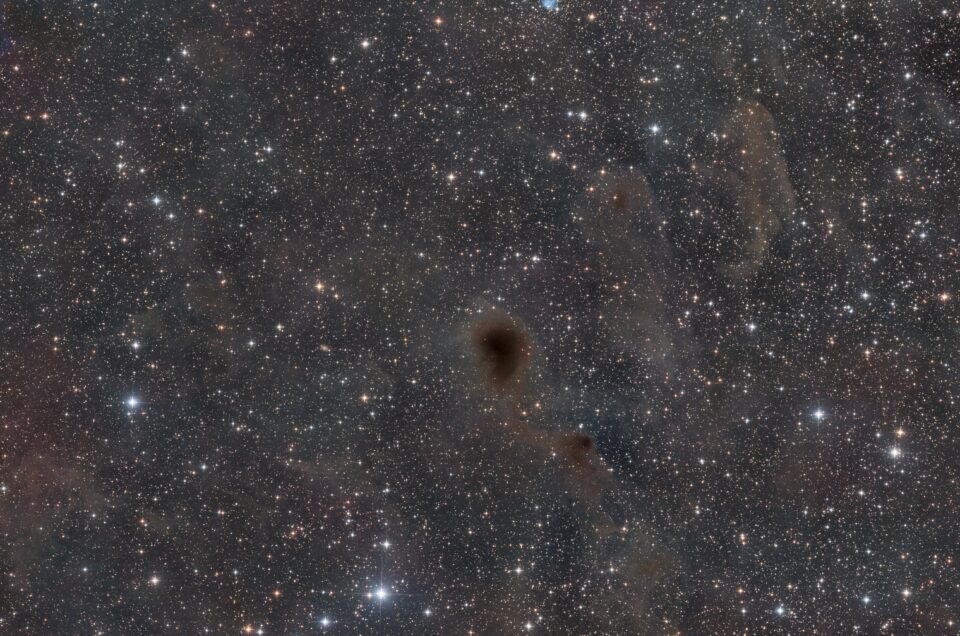
Data calibration, registration and the final processing was done with PixInsight. The result was as follows:
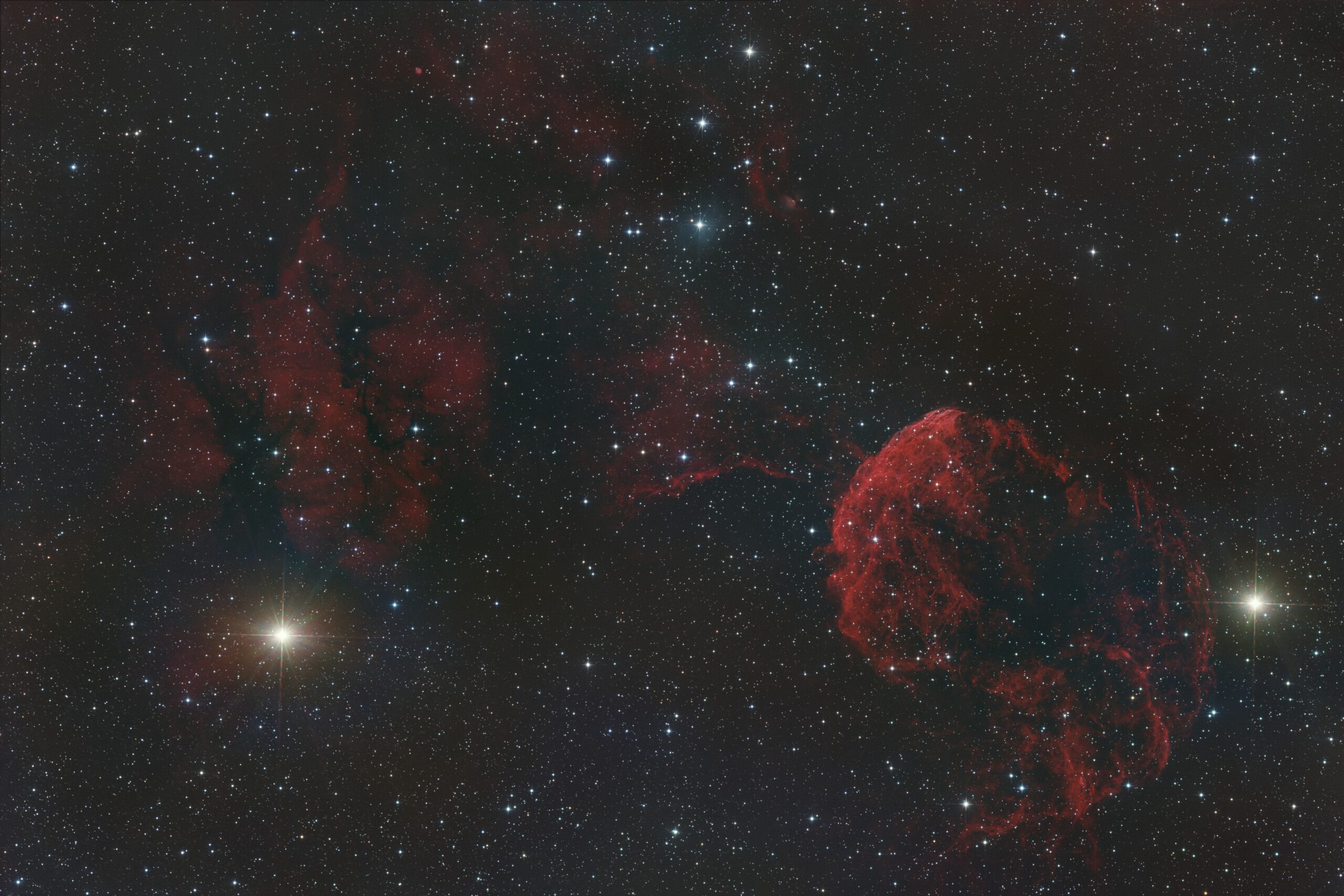
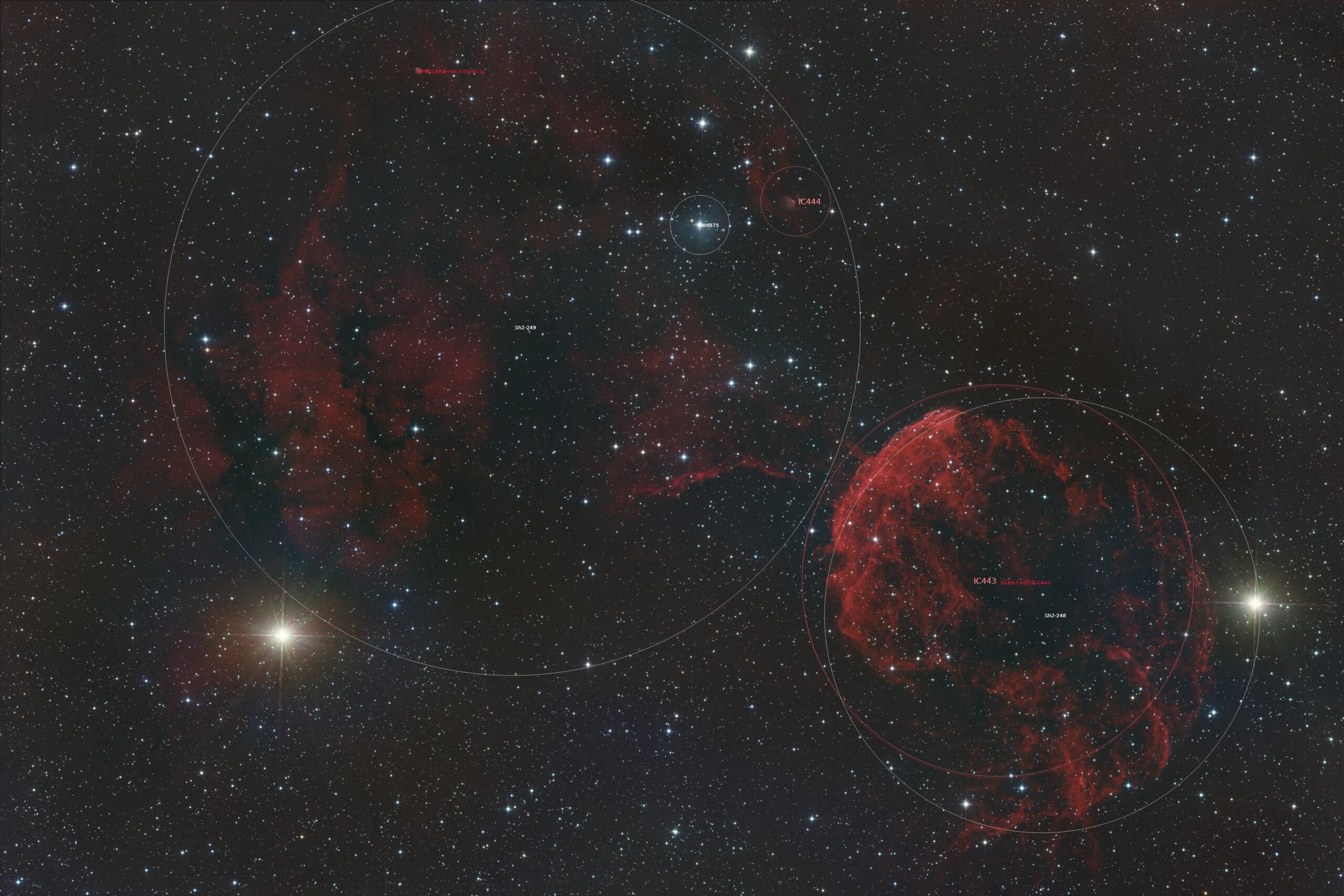
In the image, you can also see the planetary nebula HoTr 1, discovered in 2006, located in the upper left.
The images were taken with the following equipment:
- Date: 2025
- Location: Varel, Germany
- Telescope: 6″ Lacerta Newton
- Focal length [mm]: 450
- Focal ratio: 3
- Mount: Skywatcher EQ8
- Camera: Lacerta DeepSkyPro 2600
- Filter: R:G:B:Hα
- Exposure time [min]: 60:60:60:130
- Resolution: 1.72″/px
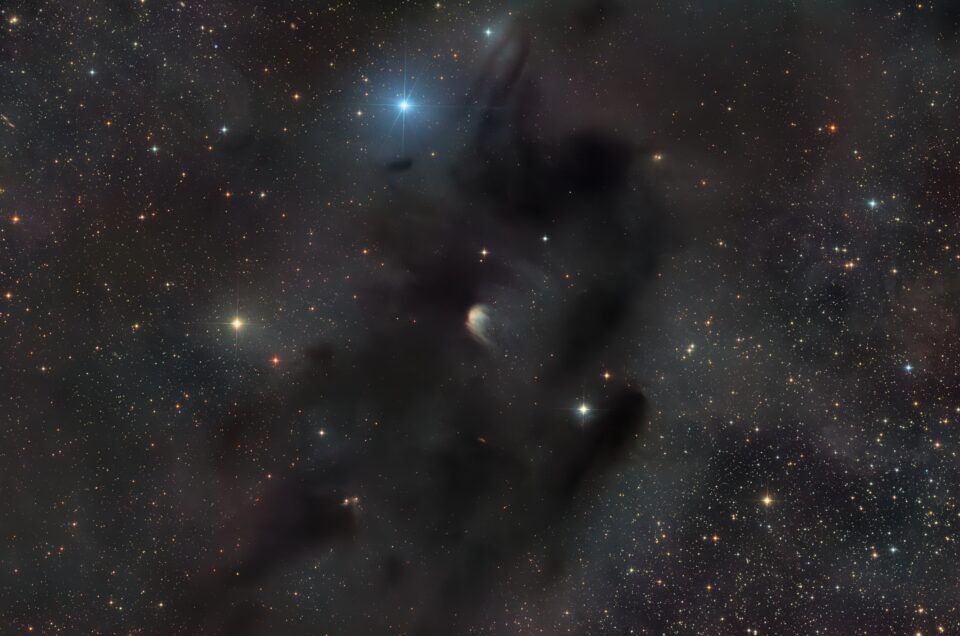
For the 2016 data the calibration, registration and the final processing was performed with PixInsight. The result was as follows:
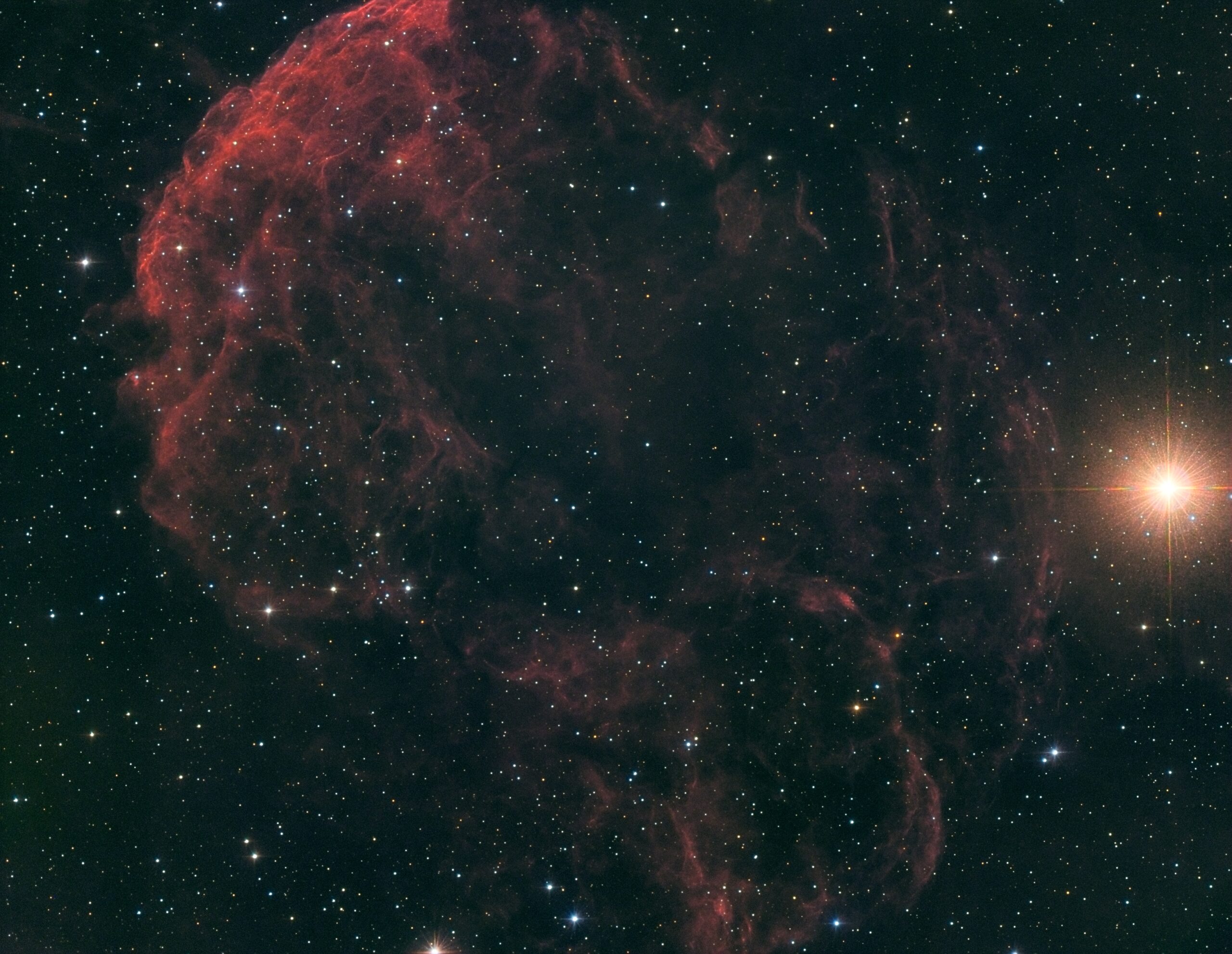
The images were taken with the following equipment:
- Date: 2016
- Location: Krefeld, Germany
- Telescope: 10″ Newton ohne Namen
- Focal length [mm]: 1000
- Focal ratio: 3.9
- Mount: Losmandy G11
- Camera: Moravian FW8300
- Filter: R:G:B:Hα
- Exposure time [min]: 40:40:40:140
- Resolution: 1.11″/px
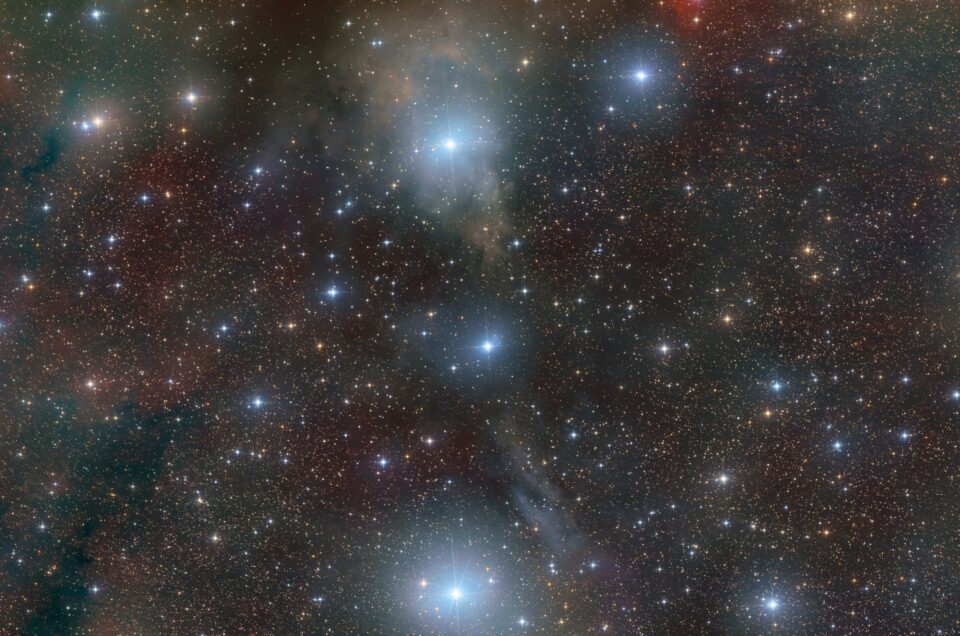
My first attempt with the IC 443 was in January 2011.
Data calibration and registration was done with DeepSkyStacker and the final processing was done with PixInsight. The result was as follows:
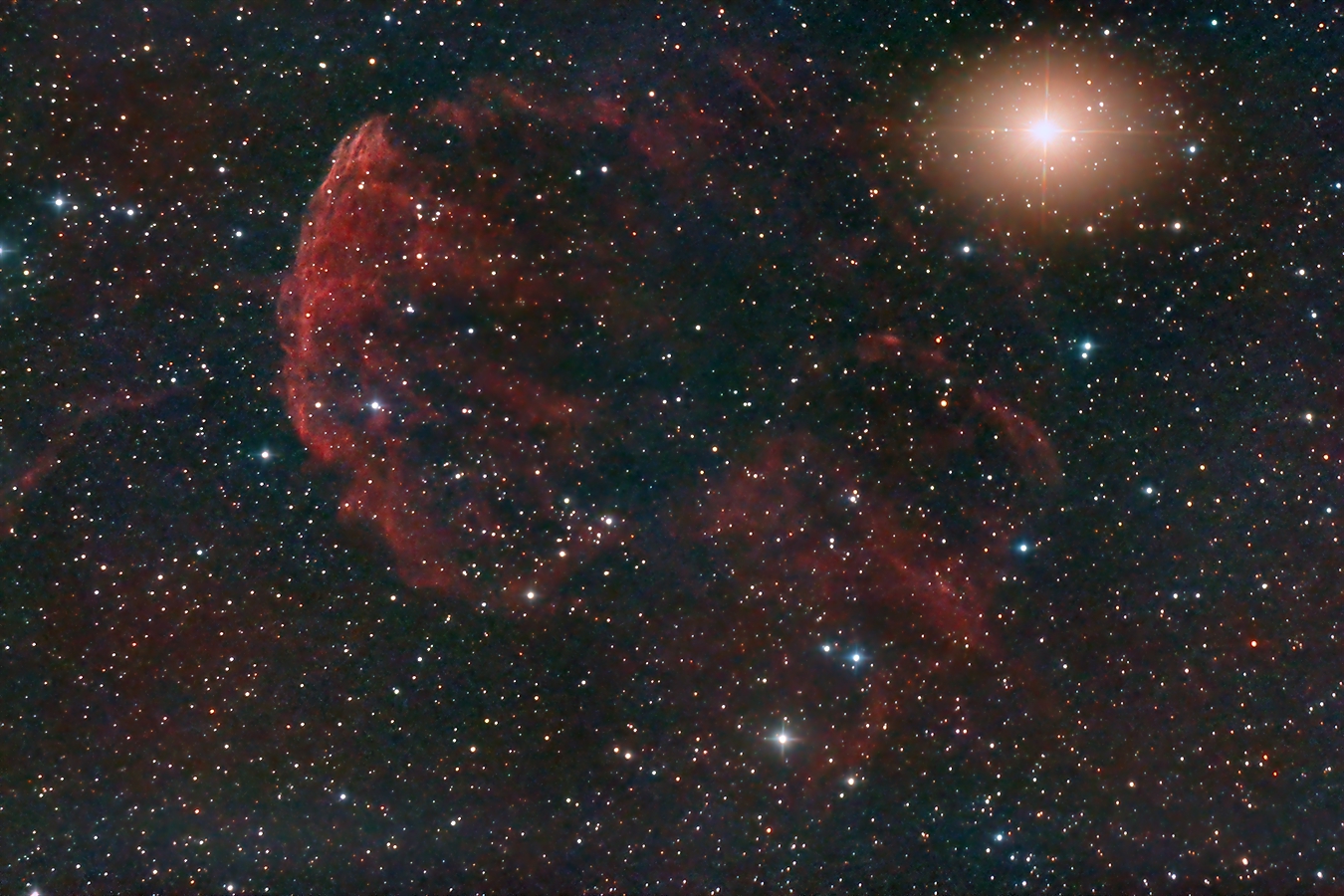
The images were taken with the following equipment:
- Date: 2011
- Location: Krefeld, Germany
- Telescope: 8″ GSO Newton
- Focal length [mm]: 800
- Focal ratio: 4
- Mount: Skywatcher NEQ6
- Camera: Canon 500 Da
- Filter: OSC
- Exposure time [min]: 151
- Resolution: 3.64″/px

Leave a reply